ship simulators
Maritime Simulation & Ship Handling Training
Here at ASI, we design and deliver high-fidelity maritime simulation systems that prepare Navy crews for the full range of navigation, seamanship, and shiphandling (NSS) challenges they face at sea. From large surface combatants to small craft, our training solutions scale to meet the operational needs of diverse maritime communities.
Built on Proven Technology
Our maritime training systems are built on NTPRO, the dominant simulation solution in the global maritime training market. NTPRO holds full DNV ST-0033 certifications across all classes (A, B, C, and D) — including Class D certification for cloud-based simulators — and maintains full compliance with International Maritime Organization (IMO) and Standards of Training, Certification and Watchkeeping (STCW) requirements. These are the highest international standards for maritime simulation, trusted by defense and commercial shipping customers and training institutions worldwide.
At the core of our visual capability is Unreal Engine 5, delivering near-photorealistic environments that replicate fog, heavy seas, night navigation, vessel lighting, and dynamic weather — conditions that are difficult to recreate and too dangerous or costly to train in operationally. Our devices allow bridge teams to build the pattern recognition and situational judgment that transfer directly to real-world performance, without risk to ships, crews, or fuel.
Training Systems by Fidelity
ASI delivers enterprise maritime simulation across the full fidelity spectrum, from portable desktop solutions to fully immersive bridge environments. Our systems span every fidelity level of NSS Trainers (NSST) — NSST 1 through 6 and portable devices — as well as Mixed Reality (MR) trainers, allowing us to match the right solution to the right training requirement.
At the portable end, part-task trainers give individual operators and bridge team members access to high-quality simulation at the point of need — no dedicated facility required. Mid-tier mixed reality systems add physical and sensor immersion through FLIR integration, motion platforms, and mixed reality modalities that put crews inside the training scenario rather than in front of it. At the high end, full-fidelity bridge trainers replicate complete bridge and Combat Information Center (CIC) environments where entire navigation teams — including the Commanding Officer, Officer of the Deck, and Conning Officer — train together on navigation, seamanship, and shiphandling under realistic conditions. Gunnery weapons training is supported across applicable configurations, enabling integrated combat and seamanship scenarios within the same environment.
Programs We Support
NSST
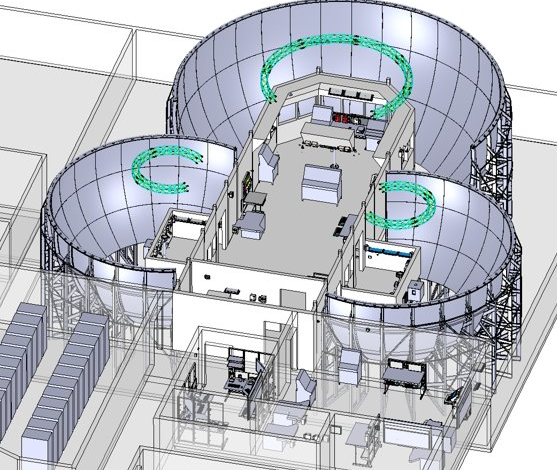
ASI develops the U.S. Navy's Navigation, Seamanship and Shiphandling Trainers (NSST) Family of Trainers, delivering a standardized common baseline architecture that enables interoperability, shared content, and enterprise-wide performance tracking across shore-based training facilities. The NSST provides a total ship trainer adapted to meet U.S. Navy requirements, with development of the Naval Training Systems Lab (NTSL) in Orlando, Florida serving as the reference implementation for how modular, component-based design enables systems to scale from individual desktop trainers through full-bridge team training environments. The underlying NSST device itself is a total maritime trainer supporting crew training in navigation, seamanship, and shiphandling operations, consisting of seven core devices that can be tailored to site-specific needs.
Rather than relying on legacy, platform-specific, proprietary systems that cannot share data or training content, the common baseline establishes standardized interfaces, component libraries, and data structures so training systems share common components, performance data flows through standardized interfaces resulting in enterprise-wide analytics, and content developed that is reusable across the family of systems. The NSST maintains compliance with IMO and STCW standards, with proven use across DDG 1000 and Maritime Security Boat shore trainers and delivery orders spanning the Navy, Army, and Coast Guard.
PB-40 Maritime Security Boat Trainer
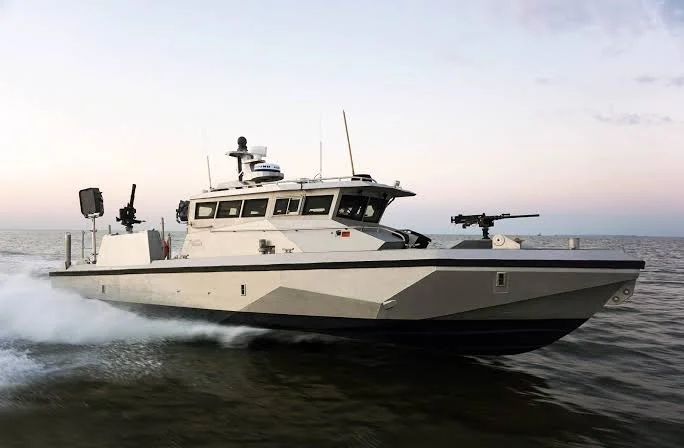
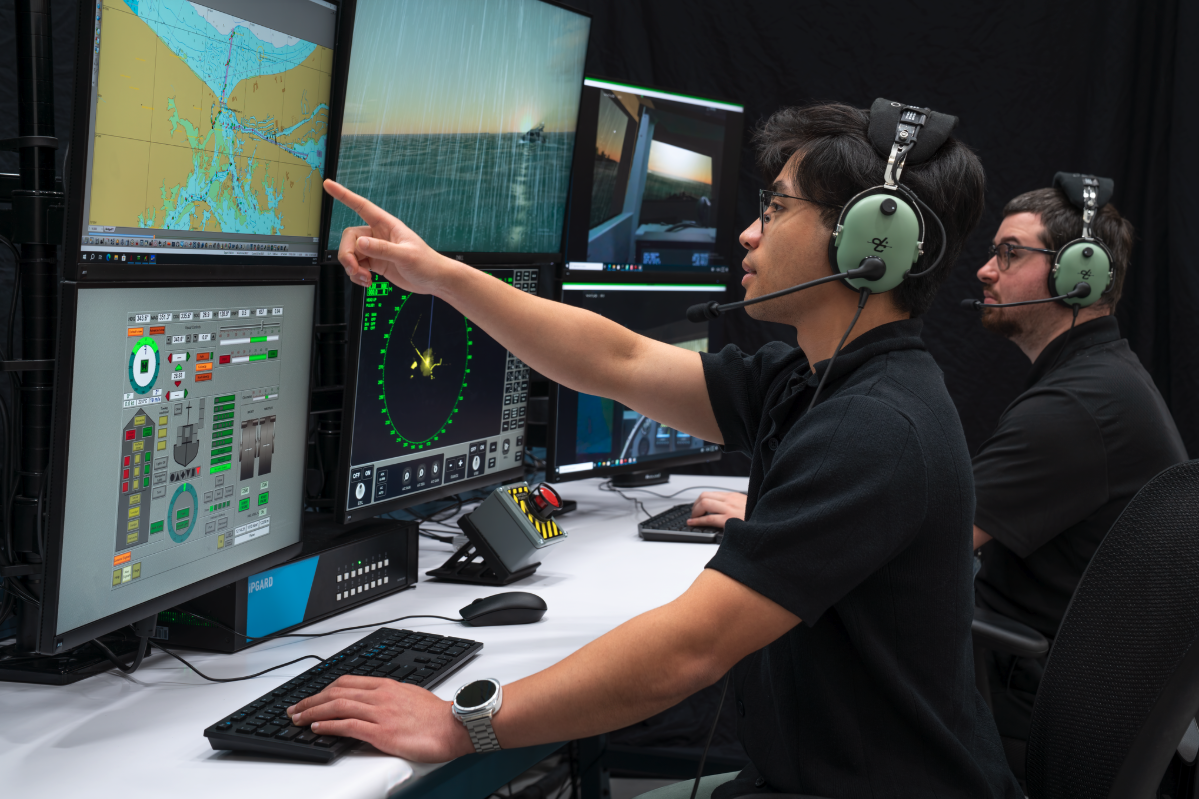
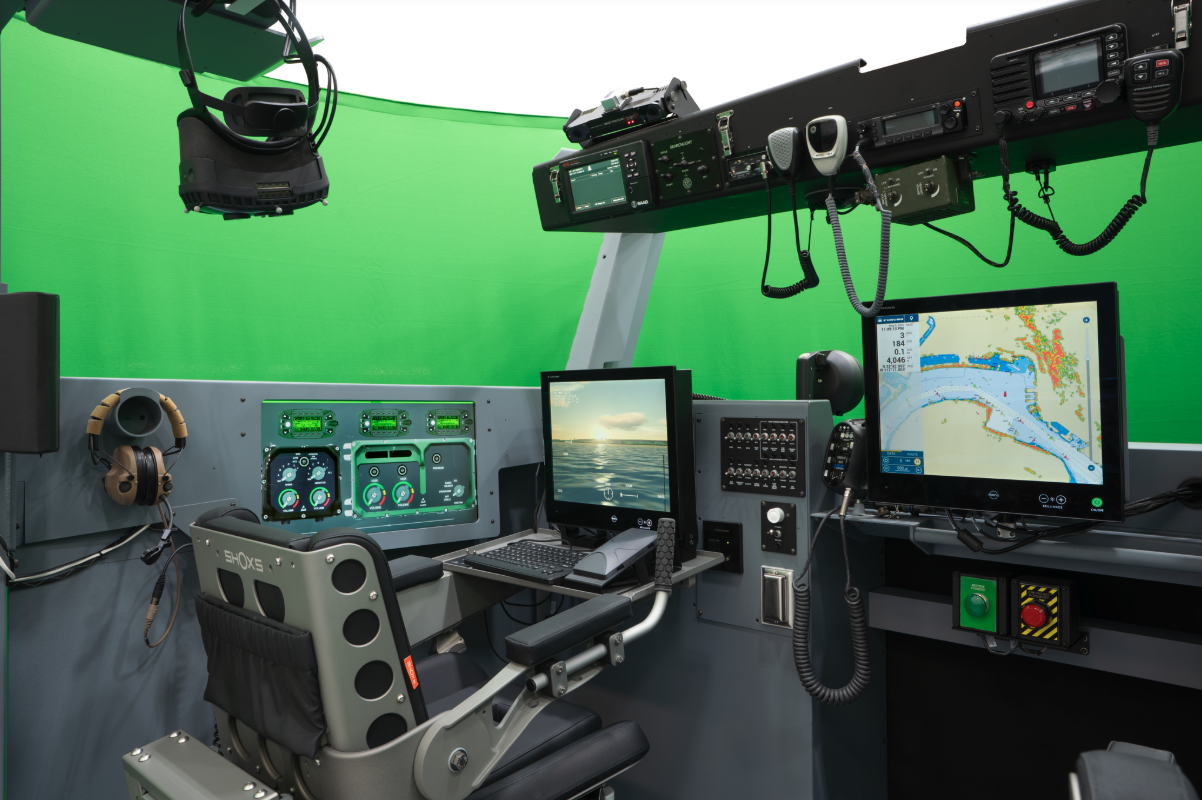
We have delivered PB-40 small boat trainers to Maritime Expeditionary Security (MESG) Groups at Little Creek, Virginia and San Diego, California. These systems incorporate Forward-Looking Infrared (FLIR) sensors, mixed reality modalities, and motion platform integration — giving crews realistic physical and sensor cues in a synthetic training environment, with the motion platform adding physical motion cues so crews experience actual vessel movement and sea state effects while operating weapons systems and sensors. The trainer is purpose-built for the PB-40 bridge crew, enabling training in critical skills, high-risk close-quarter maneuvering, and adaptive tactical responsiveness, with emphasis on the Coxswain/Boat Captain and Navigator/Radio Telephone Operator (NAV/RTO) training independently of other watch stations using Mixed Reality headsets on motion.
To validate the training design, our engineering team collected data directly from fleet operations, participating in a 3-boat training exercise covering man overboard recovery, engine casualty and towing drills, and evasive maneuvering exercises, with each evolution repeated so all crew could rotate through. This hands-on data collection approach reflects our expertise in ship and flight dynamics.
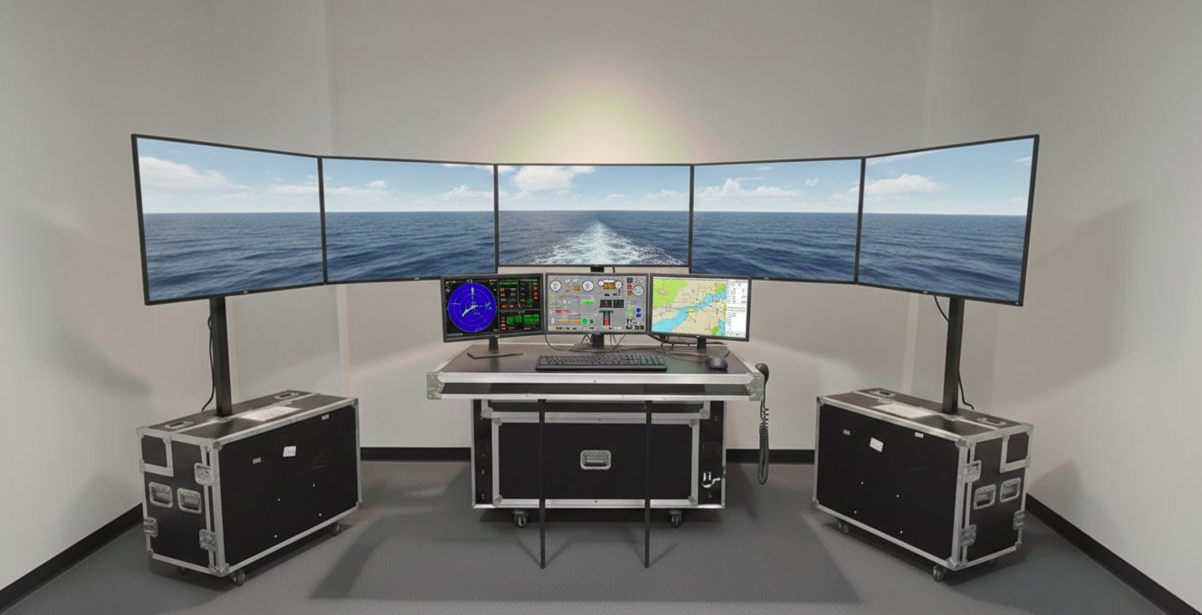
NSST - P CONOPS “Ship in a Box”
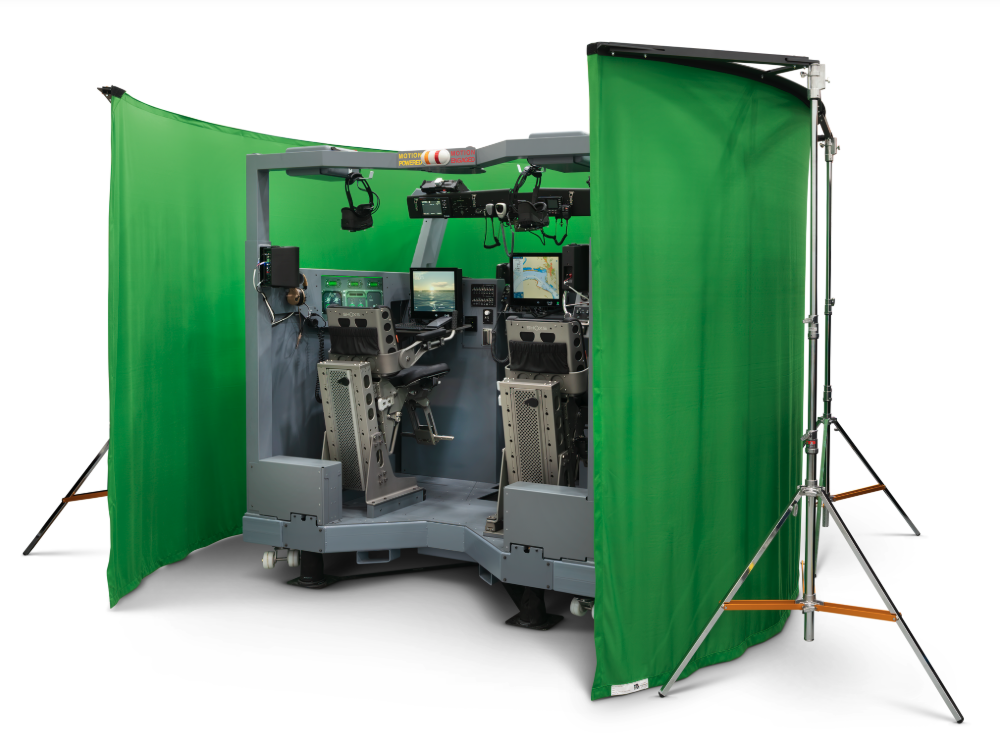
PB-40 Small Boat Training Device
Scalable Across Maritime Communities
ASI's enterprise maritime simulation approach supports training across Navy surface forces, small craft communities, joint service programs, and is poised to support other communities to include Submarines, Coast Guard and other partner nation navies. Our architecture is designed to grow — from individual desktop trainers to full-bridge team environments — and to evolve alongside emerging technologies, including AI-driven adaptive learning, distributed networked training, and afloat trainer configurations.
-
![]()
PB-40 Small boat
-
![]()
NSST-P CONOPS "Ship in a Box"
-
![]()
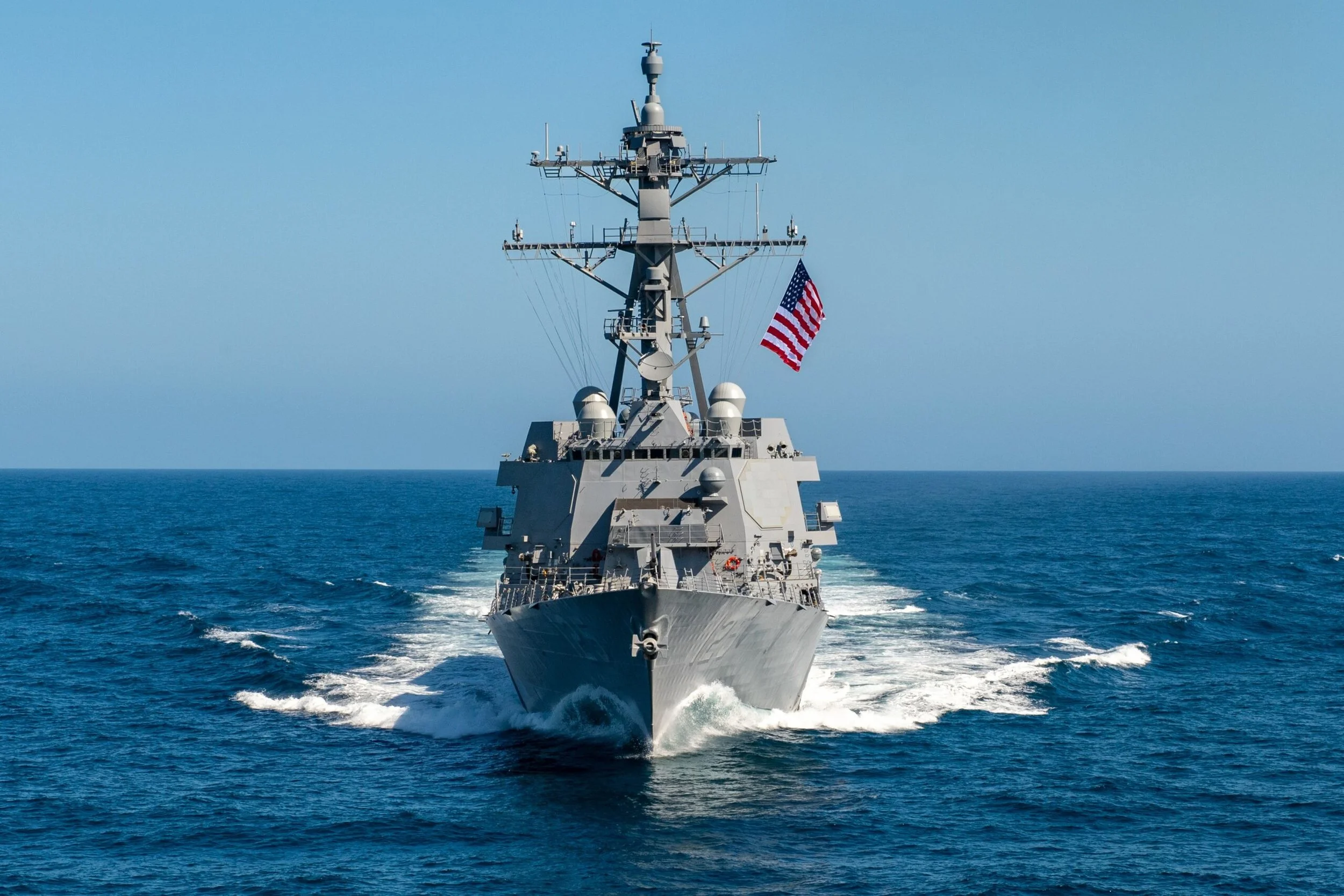
Arleigh Burke - Class Destroyer
-
![]()
NSST Trainer Drawing
-
![]()
Small Boat Trainer - Instructor Operating Station
-
![]()
Small Boat training device