Distributed Mission Operations (DMO) and
live, virtual, and constructive (LVC)
LVC and DMO Solutions
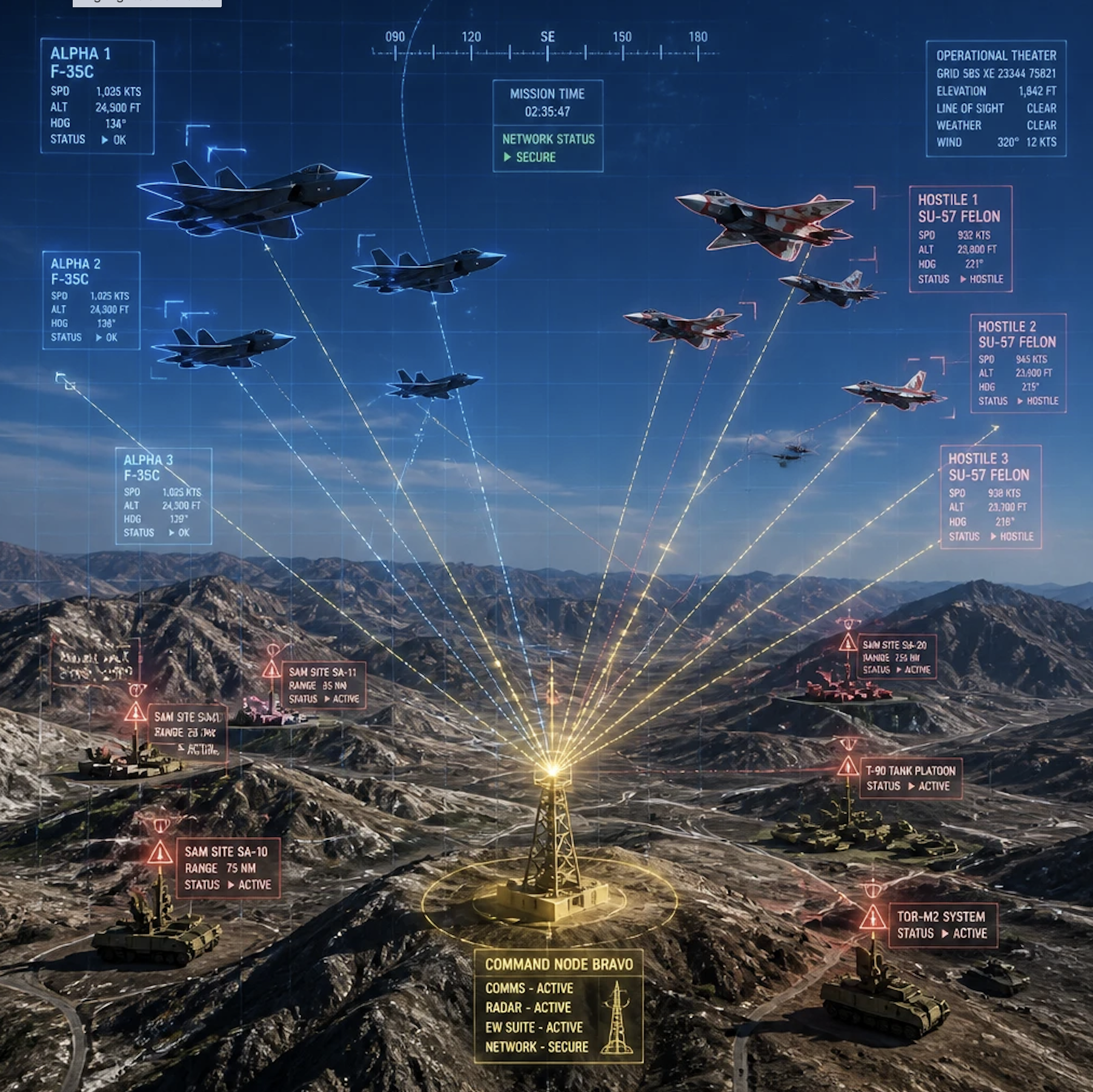
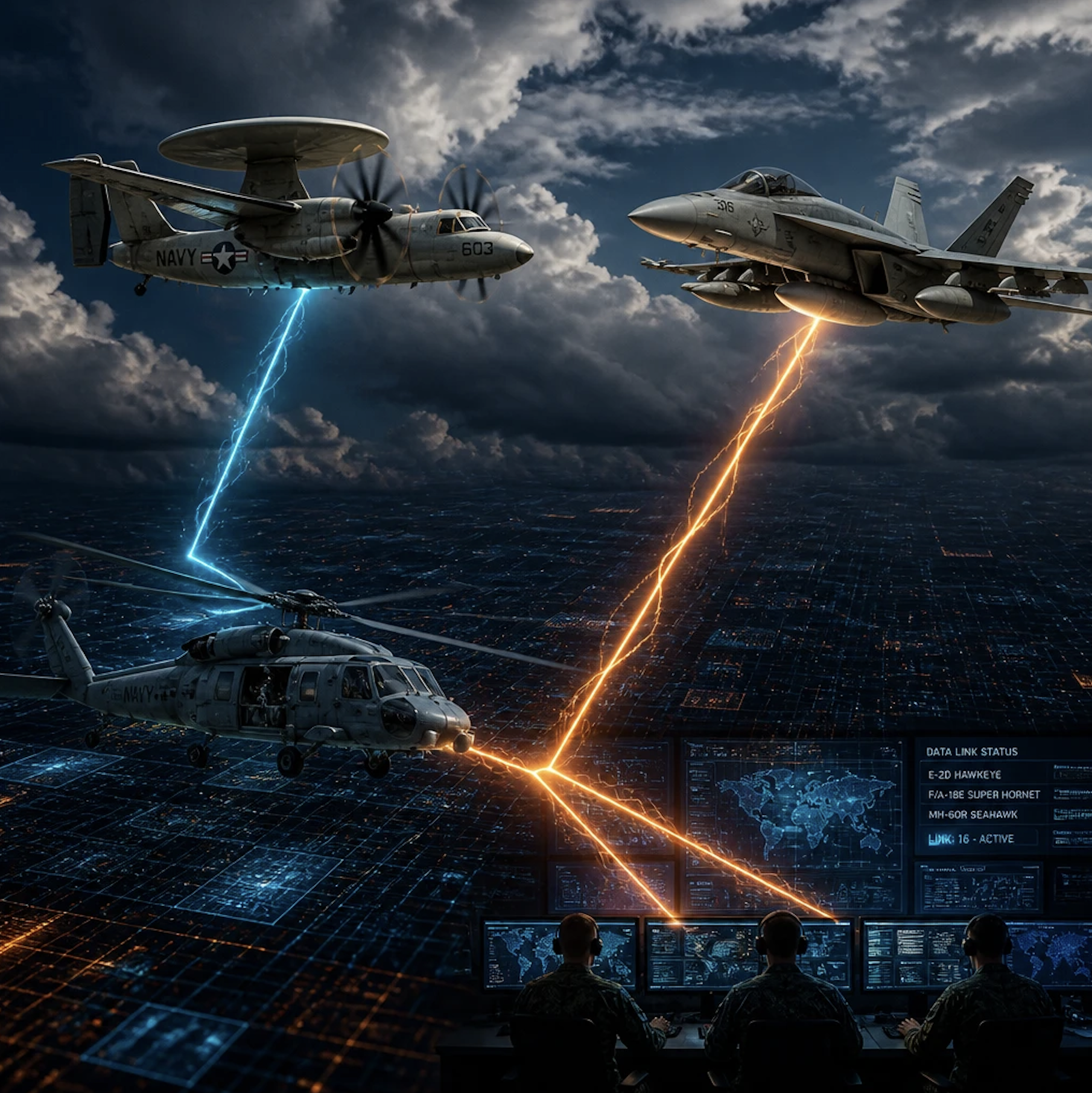
Distributed Mission Operations (DMO) links live, virtual, and constructive (LVC) elements and training systems within and across weapon system platforms so operators can train together in a secure, realistic, and cost-effective manner. It is also a readiness initiative to train warfighters as they expect to fight and to maintain combat readiness at home or deployed for the joint and combined force in all domains. Examples of our DMO experience include the Navy's aviation distributed training center and the Air Force's B-1 Training System.
Navy Aviation Distributed Training Center
We developed the Navy Aviation Distributed Training Center - Atlantic (NADTC-LANT) as the white cell connecting Navy Live, Virtual, Constructive (LVC) training assets — the Navy's equivalent of the Air Force's Distributed Training Operations Center, Distributed Mission Operations Center, and Distributed Training Center. The NADTC-LANT links cross-platform training systems, constructive elements, and virtual role players for Fleet Synthetic Training – Aviation (FST-A) events, while providing Multi-Level Security (MLS) for disparate simulator and entity platforms at different classifications.
On the NADTC program, our team overhauled the NADTC-LANT for secure, distributed LVC exercises using the Distributed Interactive Simulation (DIS) and High-Level Architecture (HLA) protocols, expanding network capacity five-fold. The result connects Carrier Air Wing strike training devices so aircrews can rehearse integrated F/A-18, EA-18G, and E-2D missions virtually before flying live at the Naval Strike and Air Warfare Center in Fallon, Nevada. As Naval Air Warfare Center Training Systems Division (NAWCTSD) leadership put it, "NADTC-LANT is providing valuable distributed training opportunities, augmenting live training to a degree that was not possible previously."
Environment Generators and Cross-Domain Security
The NOC's threat picture comes from environment generators like the Next Generation Threat System (NGTS), Joint Semi Automated Forces (JSAF), and One Semi Automated Forces (OSAF) that simulates threats, targets, and computer-generated forces (CGF) for integrated training exercises. We also integrate commercial environment generators such as Modern Air Combat Environment (MACE).
Multiple classification levels can't share one network without a Cross Domain Solution (CDS). On NADTC, ASI implemented a CDS with custom rulesets and supporting accreditation, and expanded NOC control interfaces from one to five with MLS controls including Risk Management Framework (RMF) compliance.
Large Force Exercise Support
In addition, we also support Large Force Exercises (LFEs), Red Flag Spin Ups, and Virtual Flags end to end: event planning, scenario development, mission data file generation, on-site DMO equipment operation, and post-event review and debrief.
The Live Piece: B-1 Aircraft on the DMO Network
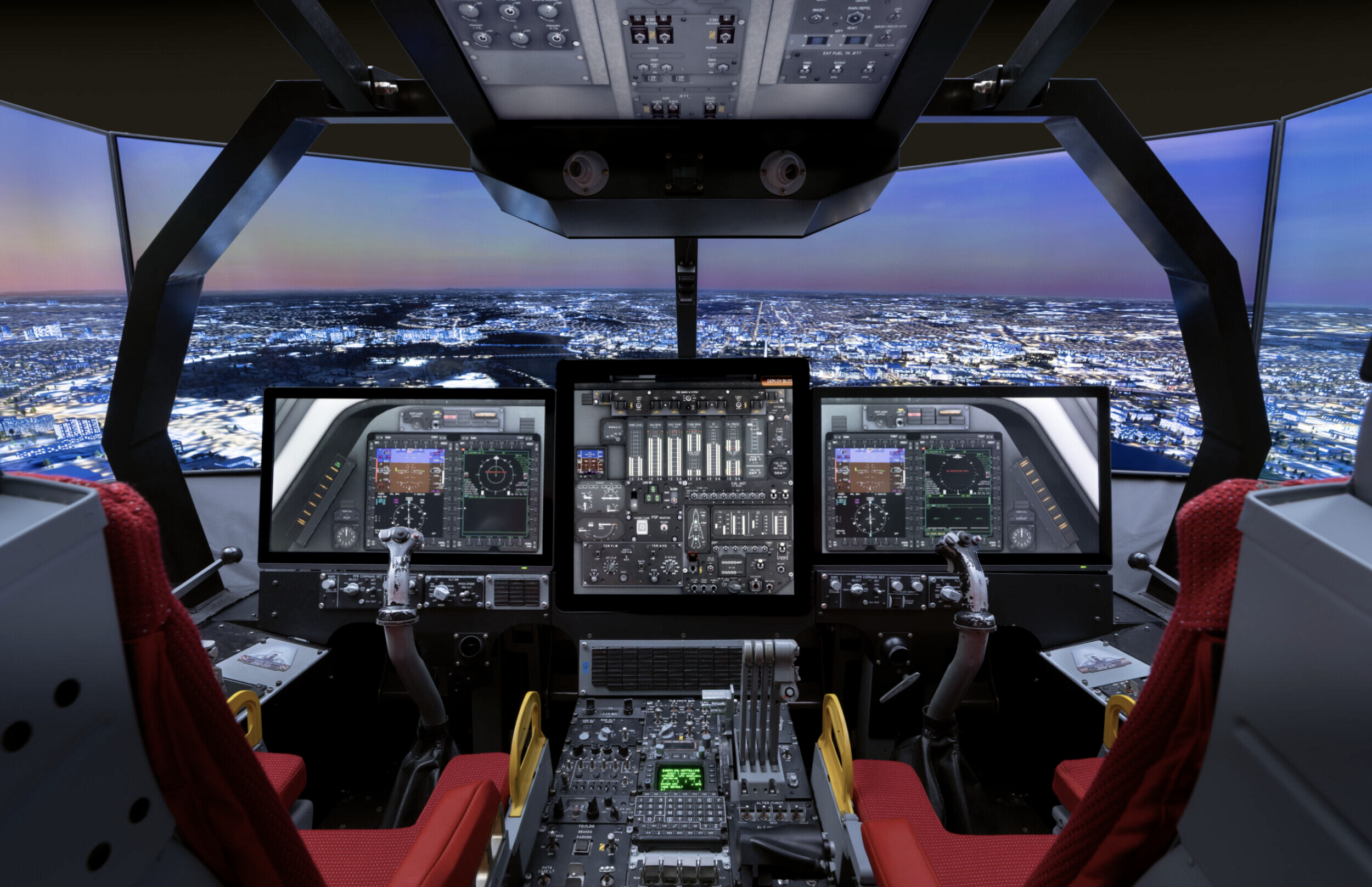
The live side of LVC is where our B-1 Training System work stands out. Our engineers develop the Weapon System Trainer (WST) software and middleware that let B-1 trainers communicate over the Combat Air Forces (CAF) DMO Network (DMON) using DIS, and we manage the DMO portal at our System Integration Laboratory (SIL) and operational sites. That WST software links to LFEs where live aircraft on Air Force ranges train alongside manned simulators and constructive entities: a real aircraft and a simulator crew fighting the same fight, on the same network.
Joint simulation environment (JSE)
The Joint Simulation Environment (JSE) is the Department of Defense’s premier synthetic combat training environment. It allows high fidelity engagements in highly realistic, multi-domain virtual battlespace simulations. By linking manned cockpits with physics-based software, JSE enables branches to train together at a fraction of the cost and OPSEC risk of live training. ASI is working with the Joint Simulation Environment (JSE) software to integrate CAF simulators.